
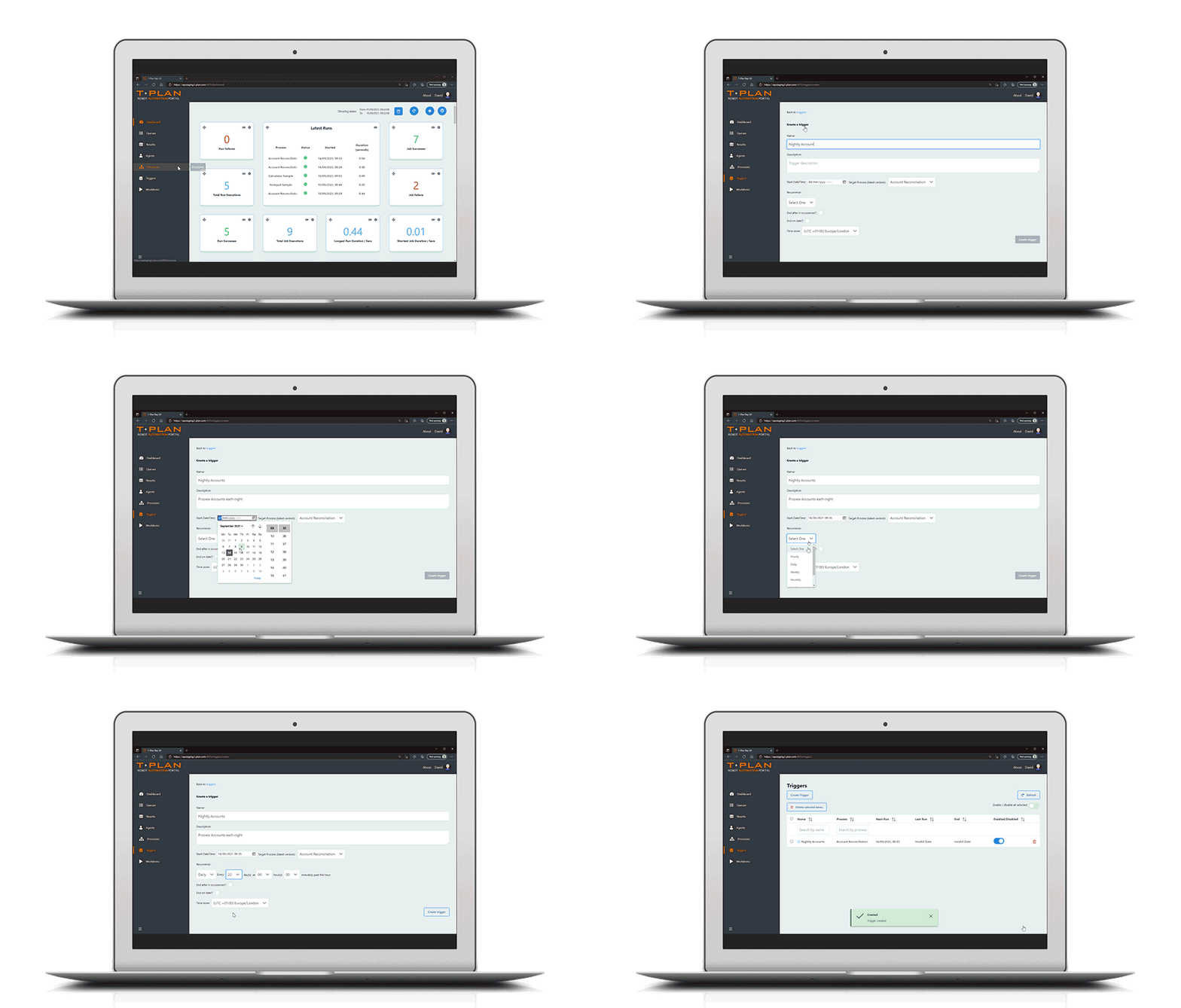



Automatic Train Supervision (ATS) is a railway control system used to monitor and manage train operations across a rail network. ATS platforms provide operational visibility, route management and scheduling control, requiring reliable validation to ensure accurate system behaviour within railway control environments.
Railway Software Testing & Automation
T-Plan enables automated testing across railway control systems, signalling platforms and operational applications without modifying the system under test.
Our visual automation platform supports validation across legacy rail infrastructure, integrated control environments and modern digital rail platforms.
- Automated validation of railway control systems and signalling interfaces
- Non-invasive testing of rail HMIs and operational dashboards
- Regression testing across legacy and modern railway platforms
- Repeatable automation across development, integration and operational environments
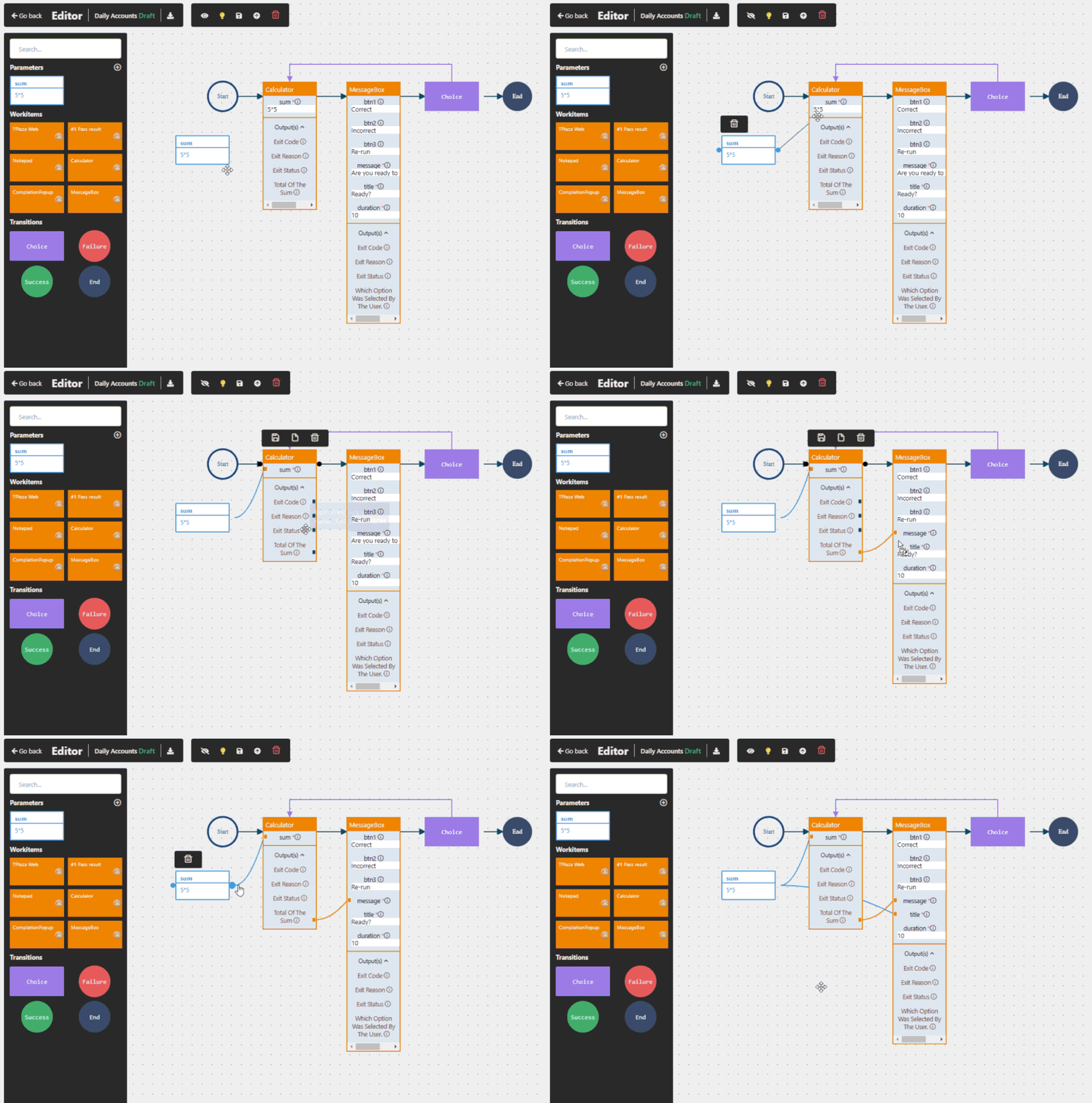
Why Choose T-Plan for Railway Software Testing
Railway environments combine operational control systems, signalling platforms and passenger service applications that must operate reliably across long-lifecycle infrastructure. Testing these environments requires automation that can validate integrated systems without modifying the underlying platform.
T-Plan enables railway software testing through non-invasive visual automation, allowing engineering teams to automate validation across operational rail systems while maintaining the integrity of certified environments.
- Non-invasive automation that does not modify safety-critical railway systems
- Visual validation of signalling interfaces, operational dashboards and rail HMIs
- Automation across legacy rail infrastructure and modern digital rail platforms
- Support for railways sector embedded software testing across integrated control
Why Automate Railway System Testing
Railway systems operate across tightly integrated operational platforms including signalling infrastructure, traffic management systems, onboard train HMIs and passenger information services. Validating behaviour across these systems manually can be time-consuming and difficult to maintain as software updates and infrastructure changes are introduced.
Automation enables testing teams to execute repeatable validation across operational workflows, user interfaces and system integrations while maintaining stable regression coverage across releases. This approach helps rail organisations maintain reliable validation across complex environments and long-lifecycle infrastructure.
Automation supports:
- Repeatable validation of signalling systems and railway control interfaces
- Regression testing across updates to operational and passenger service platforms
- Automated testing of embedded railway software and onboard HMIs
- Scalable testing across development, integration and operational rail environments
Key Benefits of Railway Software Testing with T-Plan
Key Benefits of Railway Software Testing with T-Plan
Railway platforms operate across long-lifecycle infrastructure, embedded control systems and operational software environments.
T-Plan enables scalable railway software testing through non-invasive visual automation, supporting validation across signalling systems, operational platforms and passenger service applications.
No-Code / Low-Code Automation
Enable engineering and testing teams to build scalable railway automation workflows without complex scripting frameworks.
Create Once, Reuse Across Environments
Define automated workflows once and execute them across development, integration and operational railway environments.
Record &
Playback
Capture real user interactions across control systems and operational dashboards for repeatable regression validation.
External Data
Integration
Drive testing using operational data from databases, files and external railway systems.
Screen-Level
Automation
Interact directly with railway control interfaces, signalling dashboards and operational HMIs through visual automation.
Multi-Platform
Support
Execute testing across Windows, Linux, virtual machines and integrated railway operational environments.
Image-Based
Validation
Confirm system behaviour exactly as operators see it within railway control interfaces and operational displays.
Non-Invasive Testing for Safety-Critical Systems
Validate safety-critical railway systems without installing agents or modifying certified operational environments.
Testing Safety-Critical Railway Systems
Railway infrastructure relies on software platforms that control signalling systems, traffic management platforms, onboard train interfaces and operational control environments. These systems must operate reliably across complex rail networks while maintaining strict safety and operational requirements.
Testing these environments requires automation that can validate system behaviour without modifying the certified software environment. T-Plan enables railway software testing through non-invasive visual automation, allowing testing teams to validate operational workflows, control interfaces and railway HMIs while preserving system integrity.
By interacting directly with the user interface, engineering teams can automate validation across signalling dashboards, operational systems and embedded railway software while maintaining reliable regression coverage across software updates and infrastructure changes.
Supporting Railway Certification and Safety Standards
Railway software operates within strict certification and safety frameworks designed to ensure operational reliability across rail infrastructure and rolling stock systems.
T-Plan supports testing teams working within regulated railway environments by enabling automation that operates externally to the system under test. This approach allows teams to validate system behaviour while maintaining compliance with railway safety and certification requirements.
Railway platforms often align with recognised safety and lifecycle standards including:
EN 50128
Railway standard covering software development and validation for safety-critical railway systems.
EN 50126
Defines the RAMS lifecycle (Reliability, Availability, Maintainability and Safety) for railway systems.
EN 50129
Safety approval standard for railway signalling and electronic control systems.
IEC 61508
International standard covering functional safety for electrical and electronic systems used in safety-critical infrastructure.
ERTMS / ETCS
European standards for rail traffic management and train control signalling systems.
ISO/TS 22163 (IRIS Certification)
Railway industry quality management standard used across rail manufacturers and infrastructure providers.
EN 45545
Fire protection standard governing safety requirements for railway vehicles and onboard systems.
EN 50155
Standard for electronic equipment used in railway rolling stock, including onboard control systems.
Trusted by Hundreds of Companies and Used by Thousands of People for Over 25 Years























Explore Our Solutions
Railway Software Testing & Automation FAQs
Railway software testing involves validating signalling systems, operational control platforms, onboard train interfaces and passenger service applications to ensure reliable system behaviour across rail infrastructure. Testing typically includes functional validation, regression testing and verification of embedded railway software operating within safety-critical environments.
Rail testing refers to the validation of systems and software used across railway infrastructure and rolling stock. This can include testing signalling systems, traffic management platforms, onboard control interfaces and passenger information systems to ensure reliable operation across rail networks.
Railways sector embedded software testing focuses on validating software running within railway control hardware such as signalling equipment, onboard train systems and operational control interfaces. Testing ensures embedded systems operate reliably within safety-critical railway environments.
Automation enables testing teams to execute repeatable validation across complex railway systems including signalling platforms, control interfaces and embedded railway software. Automated testing improves regression coverage and supports reliable validation across software updates and infrastructure changes.