
An avionics software engineer develops and validates software used in aircraft systems such as flight controls, navigation systems and cockpit interfaces. Their work often involves system integration, safety verification and testing to ensure software behaves reliably within complex avionics environments.
Avionics & Aviation Software Testing
T-Plan enables scalable avionics software testing across cockpit systems, flight software and embedded aircraft platforms.
Its visual automation technology validates complex aviation interfaces without modifying certified environments, making it ideal for aerospace systems where traditional automation approaches are difficult to deploy.
- Aircraft software testing across cockpit displays and avionics interfaces
- Hardware-software integration testing in complex avionics environments
- Non-invasive automation for certified aerospace systems
- Repeatable regression testing across simulation and flight software platforms
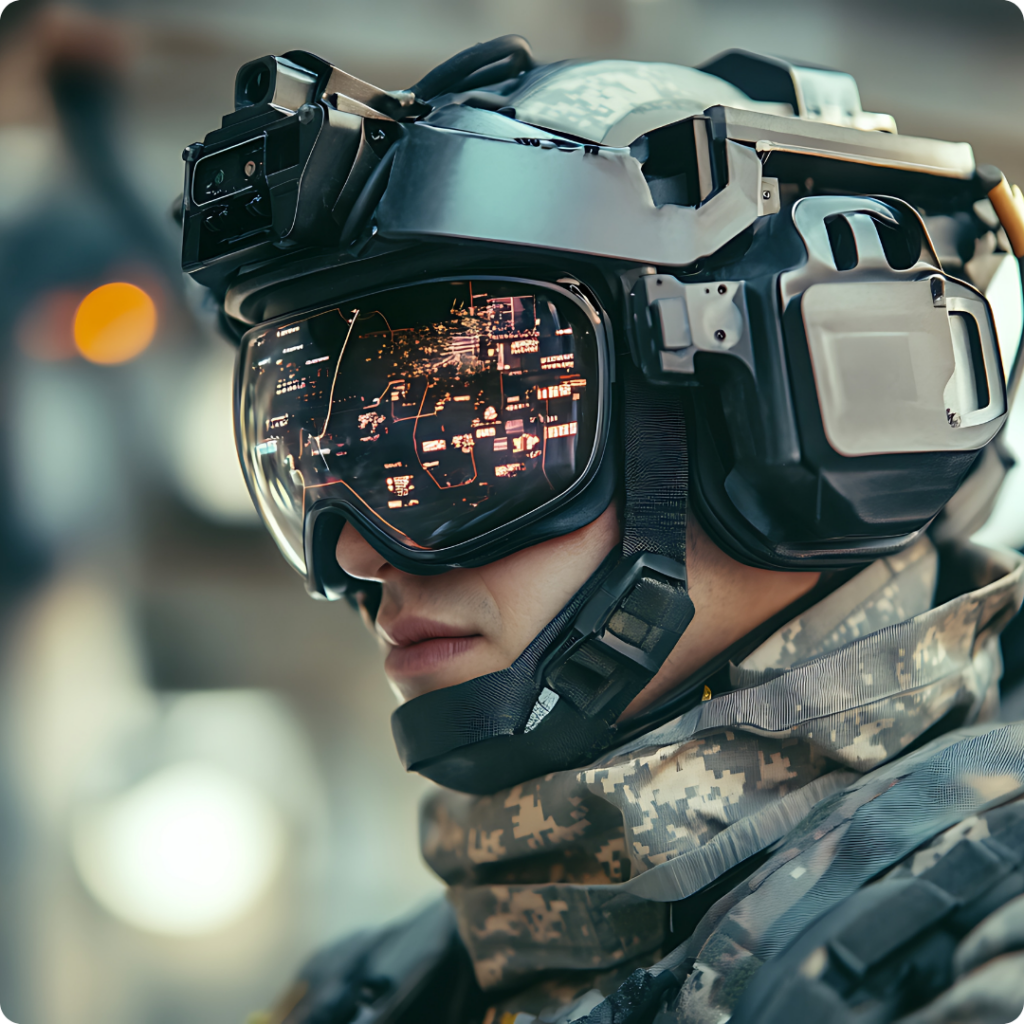
Why Choose T-Plan for Avionics Software Testing?
Testing avionics platforms often takes place within tightly controlled environments where modifying the system under test is not possible. T-Plan’s visual automation platform enables reliable avionics software testing without installing agents or altering certified aerospace systems.
By interacting directly with cockpit interfaces and avionics displays, T-Plan validates embedded software and integrated aircraft systems in the same way engineers and operators experience them. This approach allows testing teams to verify complex workflows and interface behaviour across simulation rigs, laboratory environments and integrated aircraft platforms.
- Non-invasive automation for certified aerospace environments
- Reliable validation of cockpit displays and avionics interfaces
- Visual testing across simulation rigs and integrated aircraft systems
- Scalable regression testing for evolving avionics platforms
Why Automate Aviation & Aerospace Software Testing?
Avionics platforms combine embedded software, specialised hardware and complex interface systems. Manual testing alone makes it difficult to maintain consistent validation across development cycles, system upgrades and regulatory requirements.
Automated aviation software testing enables engineering teams to repeat critical validation scenarios quickly and consistently across simulation environments, laboratory systems and flight software platforms. Automation improves coverage while reducing the manual effort required to test complex avionics workflows and system interactions.
- Repeat complex validation scenarios across multiple avionics configurations
- Improve testing coverage across simulation, lab and system environments
- Detect interface and integration issues earlier in development cycles
- Maintain consistent validation across evolving aircraft software platforms
Key Benefits of Avionics Software Testing with T-Plan
Avionics systems operate within tightly controlled and highly integrated environments where software, hardware and cockpit interfaces must function reliably together.
T-Plan’s visual automation platform enables scalable avionics software testing across simulation rigs, laboratory environments and integrated aircraft systems without modifying the certified system under test.
No-Code / Low-Code Automation
Enable engineers and test teams to build scalable aviation software testing workflows without complex scripting frameworks.
Create Once, Reuse Across Environments
Define automated test workflows once and execute them across simulation platforms, lab environments and integrated aircraft systems.
Record and
Playback
Capture cockpit interface interactions and replay them for repeatable aircraft software testing and regression validation..
External Data
Integration
Drive test scenarios using structured data from databases, configuration files, telemetry data or external systems.
Screen-Level
Automation
Interact directly with cockpit displays and avionics interfaces without requiring intrusive agents or system modification.
Multi-Platform
Support
Execute aerospace software testing across Windows, Linux, virtual machines and connected simulation environments.
Image-Based
Validation
Verify cockpit display outputs and visual indicators exactly as engineers and operators see them.
Third-Party
Integrations
Integrate with development, testing and release management tools to support structured flight software testing workflows.
Testing Safety-Critical Avionics Systems
Avionics platforms operate within safety-critical environments where software, hardware and cockpit interfaces must function reliably together. Testing must validate complex interactions across embedded flight software, display systems and integrated aircraft platforms.
T-Plan enables engineers to perform avionics software testing directly through the interface layer, validating cockpit displays, control systems and avionics workflows as they are experienced by operators. This approach supports consistent verification across simulation rigs, laboratory environments and integrated aircraft systems.
T-Plan supports testing across a range of aviation and aerospace validation scenarios, including:
- Cockpit display and interface validation
- Flight software testing across avionics platforms
- Hardware-software integration testing in avionics systems
- Simulation-based validation within aerospace development environments
Supporting Aviation and Avionics Certification Standards
Avionics systems are developed within tightly controlled environments where software, hardware and system interactions must meet strict aviation certification requirements. Testing must validate system behaviour while preserving the integrity of certified platforms used throughout development and verification.
T-Plan enables non-invasive avionics software testing by interacting directly with cockpit displays and avionics interfaces. This allows teams to validate system workflows and produce clear, traceable evidence of verification without modifying the system under test.
Traditional testing tools often require agents or intrusive integrations within the platform being tested. T-Plan operates externally through visual automation, ensuring testing reflects real operator interactions while maintaining the integrity of certified aviation systems.
Avionics development and verification commonly align with certification frameworks such as:
DO-178C
Primary certification standard for avionics software development and verification.
DO-254
Design assurance guidance for airborne electronic hardware systems.
ARP4754A
Guidelines for development of aircraft and avionics systems.
ARP4761
Safety assessment processes for aircraft systems and equipment.
ED-12C
European equivalent of DO-178C for avionics software certification.
RTCA Standards
Industry standards supporting development and certification of avionics systems.
FAA Requirements
Regulatory framework governing airworthiness and aircraft system validation.
EASA Standards
European aviation safety standards for aircraft and avionics systems.
Trusted by Hundreds of Companies and Used by Thousands of People for Over 25 Years




















Explore Our Solutions
Avionics & Aviation Testing FAQs
Avionics software testing validates the behaviour of aircraft systems, cockpit interfaces and embedded flight software to ensure they operate safely and reliably. Testing typically includes simulation-based validation, hardware-software integration testing and interface verification across avionics platforms.
Modern aviation systems rely on a combination of embedded software, flight control software and avionics interface systems. These platforms manage navigation, communication, cockpit displays and aircraft control systems. Testing tools are used to validate these systems across simulation environments, laboratory platforms and integrated aircraft systems.
Avionics software testing typically combines simulation testing, hardware-software integration testing and interface validation. Engineers verify system behaviour across cockpit displays, embedded systems and integrated avionics platforms to ensure compliance with aviation certification standards.
Avionics testing tools help engineers validate flight software, cockpit interfaces and system integrations. Platforms such as T-Plan enable visual automation and non-invasive testing across avionics environments, allowing teams to verify system behaviour without modifying certified systems.
Avionics platforms support safety-critical aircraft functions, making reliable testing essential. Effective testing helps identify integration issues, verify system behaviour and ensure software meets strict aviation certification requirements.